Selling a house feels a lot like waiting for a kettle: you keep checking, and it never seems to move on your schedule. The good news is the timeline is more predictable than it feels, and most of the parts you can plan around.
How long does it take to sell a house? In a typical 2026 market, plan on two to three months from listing to closing: roughly 30 to 50 days on the market before an accepted offer, then 30 to 45 days in escrow. Add prep and the full run is three to four months. That is the honest answer, and the rest of this guide breaks it into phases you can plan.
We will walk through the national average, a phase-by-phase timeline, the factors that speed a sale up or slow it down, the best time of year to list, and a backwards-planning calendar for anyone selling around a move-out date. Then a quick FAQ at the end.

What is the average time to sell a house in 2026?
The average time to sell a house in the U.S. runs from listing to closing in roughly two to three months, though the headline number depends on which part you measure. Most data sources track "days on market" (the time from listing to an accepted offer), not the full list-to-close span, so it helps to know which one you are reading.
Here is how the pieces stack up:
Each of those numbers measures something different. The National Association of Realtors tracks median time on market in its monthly Existing-Home Sales reports, and it has hovered in the mid-30s to high-40s of days lately (its March 2026 report put it at 41 days, up from 36 a year earlier as the market cooled from the frenzy of a few years back). That is the "days on market" figure: it ends when you accept an offer, not when you hand over the keys.
Zillow measures a slightly different stretch, the time from listing to pending. In mid-2026 the typical U.S. home was going pending in about two weeks, then adds about 30 to 45 days of escrow to close. Stack a fast days-on-market figure with closing time and you land in that two-to-three-month range, before any prep.
So when someone asks how long to sell a house and gets three different answers, they are usually all correct. They are just measuring different stretches of the same road.
Days on market ends when you accept an offer. The keys change hands a month or so later.
One more caveat: averages hide a lot. A turnkey home priced right in a hot suburb can go pending in a weekend. A dated home priced high in a slow rural market can sit for six months. Your timeline depends on the levers we cover below, and most of them are in your control.

The phase-by-phase selling timeline
The clearest way to plan is to split the sale into three phases: prep before you list, time on the market, and offer-to-close. Each has its own typical length, and each has parts you can shorten.
Phase 1: Pre-listing prep (1 to 4 weeks)
This is the phase most timelines forget, and it is the one you control most. Before a single buyer sees your home, you need to get it ready, price it, and produce the listing.
A realistic prep window:
- Repairs and touch-ups: 1 to 3 weeks, depending on the list
- Deep clean and declutter: a few days to a week
- Staging (even light staging): a few days
- Photography and the written listing: 1 to 2 days
- Pricing research and agent selection: a few days, often in parallel
Move fast here and you can compress prep to a single busy week. Drag your feet on repairs and it can stretch a month. For a full room-by-room walkthrough of what to tackle (and the order to do it in), see our guide to getting your house ready to sell. And before you over-invest in fixes, read what not to fix when selling a house, because some repairs cost more than they return.
Phase 2: Days on market (roughly 30 to 50 days)
This is the stretch buyers actually see. Your listing goes live, showings happen, and (ideally) offers come in. The clock here is your days on market, and it is the number most directly tied to how your home is priced, presented, and marketed.
In the current market, the median sits in that mid-30s to high-40s range nationally, per NAR. In a hot local market with a sharp price and strong photos, it can be a fraction of that; in a slow one, it can double. The first two weeks matter most: a listing gets its biggest burst of online attention right after it goes live, which is exactly why the first photo and the price have to be right on day one.
Phase 3: Offer to close (30 to 45 days)
Once you accept an offer, escrow begins, and this phase is the most predictable of the three because it follows a fixed sequence:
- Offer accepted and earnest money deposited (day 0)
- Inspection and any negotiation: roughly days 1 to 10
- Appraisal ordered by the lender: roughly days 7 to 21
- Buyer's loan underwriting and final approval: roughly days 14 to 35
- Final walkthrough, signing and funding: the last few days
- Closing and keys handed over: day 30 to 45
A cash buyer can compress this to one or two weeks because there is no lender, no appraisal delay, and no underwriting. A financed buyer, which is most buyers, lands in that 30-to-45-day range. This is also the phase where deals fall through (financing falls apart, the inspection turns up a deal-breaker), which can reset part of your clock.
Add the three phases together and the full project runs from about six weeks (fast prep, fast market, cash buyer) to four months or more (slow prep, slow market, financing hiccups). The realistic middle for most sellers is three to four months from "I'm thinking of selling" to closing day.

What affects how long it takes to sell a house?
Two homes on the same street can sell weeks apart. The difference comes down to a handful of factors, and knowing which ones you can move is half the battle.
Price
Price is the single biggest lever on your timeline. An overpriced home is the most common reason a listing sits. Buyers compare every option in their range, and an overpriced home looks worse next to fairly priced rivals, so it gets fewer showings and goes stale. A home priced right (or a touch under) draws competing interest and sells faster, sometimes above asking. If your listing has lots of views but no showings, price is usually the culprit.
Market type: buyer's vs seller's
In a seller's market (more buyers than homes), days on market shrink and offers come quickly. In a buyer's market (more homes than buyers), the same house takes longer and you compete on price and presentation. You cannot change the market, but you can read it: track how fast comparable homes near you are going pending, and set expectations accordingly.
Location
Location drives speed as much as price. Urban and suburban homes near jobs, schools, and transit typically sell faster than rural ones, which have a smaller buyer pool. The spread between fast and slow areas can be enormous: the same house in a hot metro and a quiet rural county can have wildly different timelines.
Home condition
Condition affects both speed and price. A move-in-ready home sells faster because most buyers want to unpack, not renovate. A home that needs obvious work narrows your buyer pool to bargain hunters and investors, who take longer to commit and offer less. You do not need a gut renovation, but clean, fresh, and functional moves homes faster than dated and tired.
Seasonality
When you list matters. Spring and early summer are the busiest selling seasons, with the most buyers and the fastest sales. Winter is the slowest, with fewer buyers and longer days on market. We cover the best month in detail below.
Marketing and listing photos
Here is the factor sellers most often underrate: how the listing looks online. Nearly every buyer's journey now starts on a screen, and the first photo decides whether they click or scroll past. A listing's presentation is tied to how quickly it moves: dull, dark, or crooked photos get fewer clicks, which means fewer showings, which means more days on market. We come back to this below, because it is one of the few speed levers that costs almost nothing.
Pro shortcut: if your home is getting plenty of online views but few showings, the problem is usually price. If it is getting few views in the first place, the problem is usually the photos or the headline.
When is the best time of year to sell a house?
The best time to sell quickly and for the most money is late spring, roughly mid-March through May, with late May often the sweet spot. That is when buyer demand peaks: families want to move during the summer break, the weather flatters curb appeal, and longer days mean more evenings free for showings.
The data backs it up. In a Zillow Best Time to List analysis of 2025 sales, Zillow found that homes listed in the last two weeks of May sold for about 1.7% more, roughly $6,000 on a typical U.S. home, driven by that peak-spring demand. More buyers competing means faster sales and stronger offers.
The flip side: late autumn and winter are the slowest stretch. Buyers are fewer, holidays distract everyone, and homes sit longer. A home that would sell in three weeks in May might take two months in December.
That said, "best season" is a tiebreaker, not a rule. The right time to sell is when your life requires it. A well-priced, well-photographed home sells in any season, and listing in a quieter market means less competition from other sellers. If you have the flexibility to wait for spring, take it. If you do not, the levers in this guide matter even more.

How to sell your house faster than average
You cannot control the market or the calendar, but you can control most of what determines your days on market. Here is where to spend your effort, in order of impact.
Price it right from day one
The fastest sales come from sharp initial pricing. A home priced correctly draws strong interest in those crucial first two weeks, while an overpriced one that gets cut later looks like damaged goods. Study recent comparable sales (not active listings, actual sold prices) and price to the market, not to your hopes.
Make it show-ready
Declutter, deep clean, and depersonalize. Empty surfaces read as space. Neutral, tidy rooms let buyers picture themselves living there, which speeds up the emotional yes. Light staging (even just rearranging your own furniture) helps rooms feel larger and more purposeful.
Fix the things buyers notice
You do not need to renovate. Fix the small, visible stuff: a dripping faucet, scuffed paint, a sticking door, burned-out bulbs. These cheap fixes remove the "what else is wrong?" doubt that slows buyers down.
Get the photos right
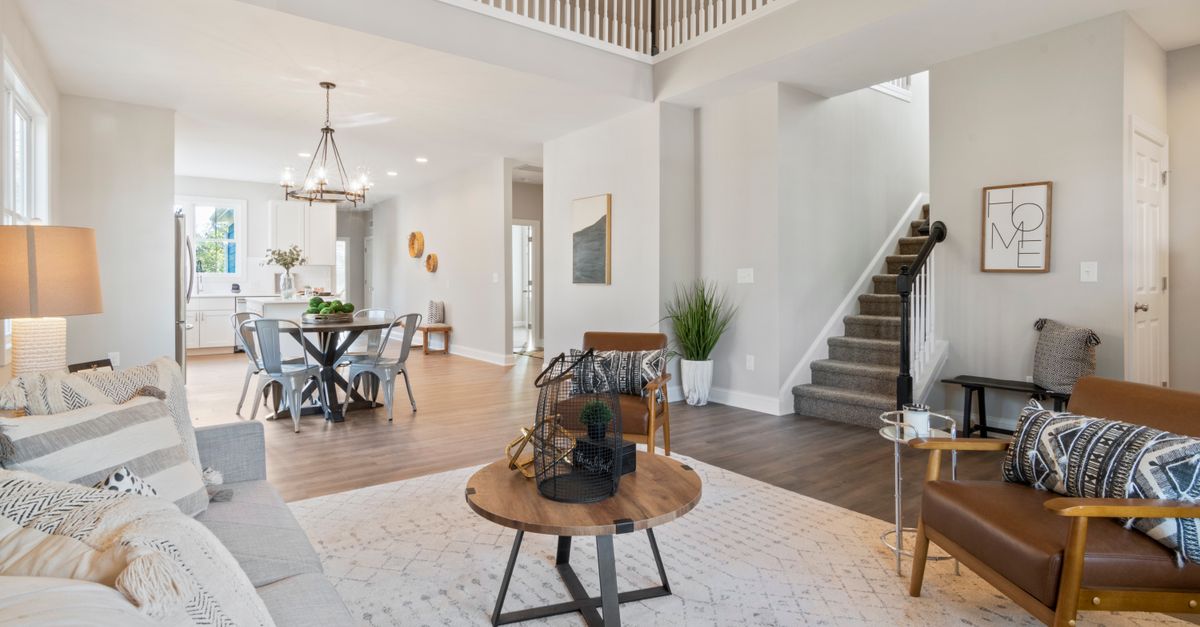
This is the highest-leverage, lowest-cost move you can make. Bright, straight, clean photos earn more clicks, more saves, and more showings, and showings are what turn into offers. The opposite is just as true: a dark, orange, crooked first photo quietly buries a great house. Buyers decide whether to click from one small thumbnail, so if that image is dull, the other twenty-nine never get seen.
Bright, professional-looking photos do not just look nicer. They compress days on market by earning more clicks and more showings.
You do not need a $2,000 camera to get there. A recent phone, good light, and a clean finish beat an expensive camera used badly. If you are shooting the listing yourself, our real estate photography tips guide covers the whole process, from light to composition to the final edit.
Market it everywhere buyers look
Get the listing on the MLS, syndicate it to the big portals, and share it socially. The more eyes in the first two weeks, the faster the offers. If you are selling without an agent, the marketing is fully on you, so read how do you sell your own house for the FSBO playbook.

A backwards-planning timeline calendar
Most guides tell you the average and stop. But if you have to be out of your home by a specific date (a relocation, a new job, a contingent purchase on your next place), you need to plan backwards from that date. Here is how.
Start with your target closing date, then work backwards through the phases. As a planning rule of thumb for a typical financed sale:
- Target close date: this is your anchor (call it week 0)
- List your home 6 to 9 weeks before that: weeks 30 to 50 of days on market plus 30 to 45 days of escrow
- Start prep 2 to 4 weeks before you list: repairs, cleaning, staging
- Book or shoot photos in the final days before listing, so they are fresh and the home is show-ready
In plain terms: if you need to be moved out by a fixed date, count back about three months and start your prep then, with the listing going live about two months before close. Build in a buffer, because financing and inspections can add a week or two.
A week-by-week version for a target close roughly 12 weeks out:
- Weeks 12 to 10: declutter, handle repairs, choose an agent or plan your FSBO listing, research comps
- Weeks 10 to 9: deep clean, light staging, take and finish your listing photos, write the description
- Week 9: list the home, launch marketing, open the calendar for showings
- Weeks 9 to 5: showings and offers (this is your days-on-market window; adjust price fast if showings are thin)
- Weeks 5 to 4: accept an offer, open escrow, schedule inspection
- Weeks 4 to 1: appraisal, underwriting, repair negotiations, final walkthrough
- Week 0: sign, fund, close, hand over keys
If you are buying your next home on a contingency, give yourself extra buffer at both ends. Coordinating two closings is where timelines slip most, so a two-week cushion is cheap insurance.
Pro shortcut: the one phase you can shorten without spending money is prep. A focused weekend of decluttering and a same-day photo finish can get you listed a week earlier, which pulls your whole timeline forward.

How listing photo quality compresses days on market
Of every lever in this guide, the one sellers most underestimate is photo quality, and it is the cheapest to fix. The thumbnail is the listing. Almost every buyer starts on a screen, scrolling fast, and the first image is the entire pitch. A bright, clean first photo earns the click; a dark, dull, or crooked one gets scrolled past, and a listing that gets fewer clicks gets fewer showings, which means more days on market.
The link runs in one direction: better presentation, more attention, faster sale. How a home is presented online is tied to how fast it moves. Crooked, orange, shadowy photos read as "tired and uncared for" even when the home is lovely. Bright, neutral, straight photos read as "fresh and move-in ready," and that perception pulls buyers to book a showing.
You do not need a pro for a standard listing. A phone shot in good light, with the room tidied and the curtains open, gets most of the way there. The finish closes the gap: brightening dark corners, balancing the white so rooms look fresh instead of orange, and straightening the walls so the space reads as cared for.
That finish is exactly what an AI enhancer handles. Shoot your rooms in daylight with the lights on, tidy first, then run the set through one consistent edit so every photo shares the same clean, bright look. A consistent set reads as professional; a mix of dark, warm, and crooked shots reads as chaotic.
One honest note, because trust is the point: Sublim enhances the real room. It brightens, balances the light including bright windows, applies a clean HDR balance, fixes the white balance, straightens verticals, corrects color, and evens a dull sky or lawn outside. What it will not do is tidy or stage for you: it keeps your furniture and objects exactly as they are. Tidy and frame the room well, and it handles the finish so your listing looks its honest best.