Selling a house brings out a strange instinct: the urge to fix everything at once, as if buyers will run a white glove along the baseboards. They won't. They will, however, judge the whole place from one small photo before they ever set foot inside.
What not to fix when selling a house: skip the big-ticket, low-return work. Avoid full kitchen or bathroom remodels, swapping working appliances, trendy or personalized upgrades, and tiny cosmetic dings like nail holes and scuffs. That money rarely comes back. Fix safety and major system problems, then clean, paint, and present well. That last word matters more than sellers think.
The hard truth is that most pre-listing spending is decided by anxiety, not by payback. Below is a clear do-not-fix list, a short framework for deciding what actually earns its keep, and a budget triage so you know where to put limited dollars. We will also cover the cheapest, highest-return improvement most sellers ignore: the photos buyers see first.

What not to fix when selling a house: the do-not-fix list
Start here, because saying no is half the battle. These are the repairs not worth it when selling for most standard homes. Skip them, redirect the money, and stop losing sleep.
1. Major renovations and remodels (kitchen, bathroom, floor plan)
The biggest money pit is the full remodel done specifically to sell. A gut kitchen, a re-tiled bathroom down to the studs, knocking out a wall to "open up" the floor plan: these rarely return what they cost when you are selling now.
The data backs this up. The annual Remodeling Cost vs Value Report consistently ranks low-cost exterior swaps and a minor kitchen refresh at the top for resale return, while big upscale kitchen and bathroom remodels sit far down the list. You spend $60,000 on a gut kitchen and get back only a fraction at resale. Worse, your shiny new finishes still might not match the next owner's taste, so they redo them anyway.
A surprising number of sellers spend months renovating a kitchen, only for the buyer to tear it out six months later. That's the reality of personal taste.
Remodel because you will enjoy it for years. Do not remodel to flip a house you are listing next month.
2. New appliances to replace working ones
If the oven heats, the fridge cools, and the dishwasher runs, leave them. Swapping a functional appliance for a stainless upgrade rarely moves the sale price by what you paid, and buyers often have brands or finishes they prefer.
A clean, working appliance photographs and shows just fine. A brand-new one buys you very little. Spend the money only if an appliance is broken or visibly failing, and even then, mid-range beats luxury for resale.
3. Minor cosmetic flaws (scuffs, nail holes, dings, chips)
Nail holes, light scuffs, a chipped corner of trim, a small paint scratch: buyers expect these in a lived-in home. Filling and touching up every tiny mark is a weekend you will not get paid for.
There is one exception worth naming. If the small flaws are everywhere and the place reads as tired, a fresh coat of neutral paint fixes a hundred of them at once. That is paint as a system, not a per-ding repair. More on paint below, because it is one of the few clear wins.

More things to leave alone before you list
The do-not-fix list keeps going. These are the items sellers most often "fix" out of habit, with little to show for it.
4. Minor electrical and plumbing quirks (disclose, do not chase)
A dripping faucet, a dead light switch, a loose outlet cover: tempting to fix, but rarely worth a plumber or electrician callout before listing. The smarter move is to disclose them. Buyers expect minor maintenance items, and an honest disclosure builds trust where a hidden surprise at inspection destroys it.
The line is safety. A dripping tap can wait. Exposed wiring, a leak under the sink, or anything that fails an inspection moves to the "fix it" column we cover later.
5. Driveway cracks and normal wear-and-tear
A hairline crack in the driveway, a faded patch of fence, a worn but solid deck board: these are normal age, and buyers price age in already. Resurfacing a driveway or repainting a whole fence rarely returns the spend.
Tidy beats new here. Power-wash the driveway, sweep the path, pull the weeds. It looks cared for, costs almost nothing, and that is what buyers respond to.
6. Trendy, luxury, or over-personalized upgrades
This one stings because it feels generous. A bold accent wall, a high-end smart-home system, a built-in wine fridge, custom-color cabinetry: these reflect your taste, and the next buyer will likely rip them out. The goal when you list is a neutral canvas a wide range of buyers can picture themselves in. Save the personality for your next home.
7. Partial or unfinished renovations
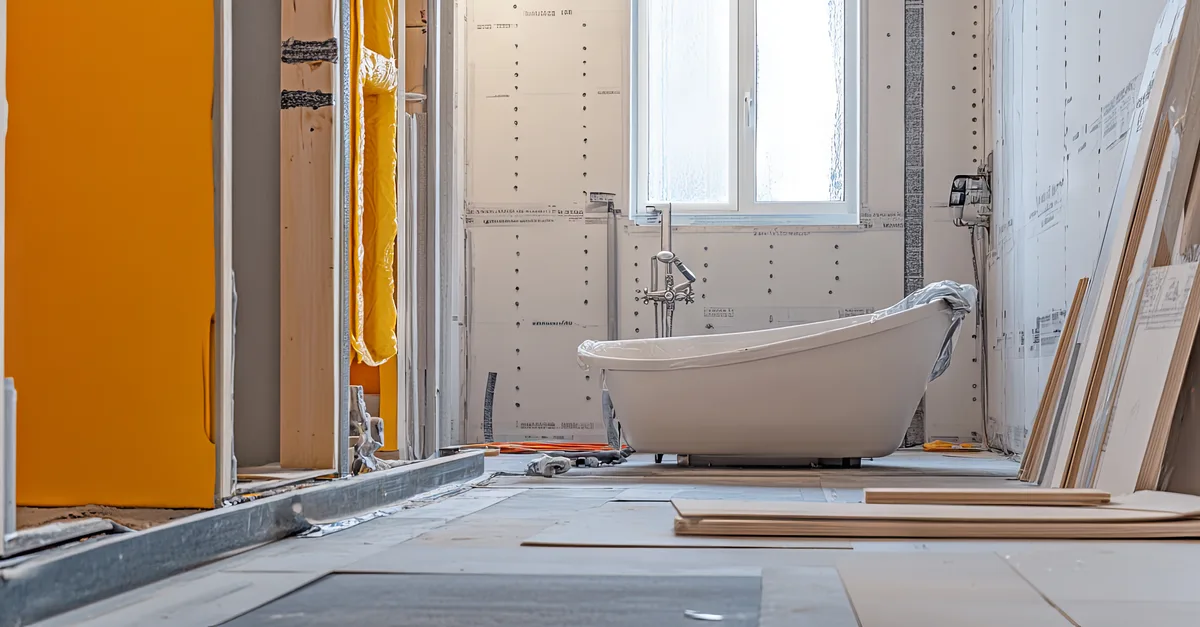
Do not start what you cannot finish before the photos are taken. A half-tiled bathroom, a deck mid-rebuild: an unfinished project reads as a problem, not potential. Buyers assume the worst about cost and timeline, and it tanks the whole listing's feel.
If a project is already half done, finishing it cleanly usually beats leaving it raw. If it is not started and the clock is short, leave the room as-is and present it honestly.
Most pre-listing spending is decided by anxiety, not by payback. Saying no to the wrong fixes is what protects your profit.
The counterpoint: what you SHOULD fix before selling
A do-not-fix list is only half the picture. A few things genuinely move the needle, and skipping them costs you. Here is what to fix before selling a house, in priority order.
Safety and structural issues come first. Anything that endangers people or signals neglect: faulty wiring, a roof leak, a gas issue, foundation movement, mold, broken steps or railings. Buyers and inspectors flag these fast, and they kill deals or trigger steep price cuts. Fix them, or price the home transparently to reflect them.
Major systems matter next. A dead furnace, a failing water heater, a roof at the end of its life, plumbing that backs up. These are not cosmetic, and a buyer's lender or inspector will surface them anyway. In the NAR and NARI Remodeling Impact Report, new roofing ranks among the top projects agents recommend sellers complete before listing.
Then come the cheap, high-return cosmetic wins:
- A deep clean, top to bottom. The single highest-return hour you will spend.
- Fresh, neutral paint where walls are scuffed, bold, or dated. The most-recommended pre-listing project by agents.
- Curb appeal: mow, trim, mulch, a tidy front door. The first thing every buyer sees in person.
- Updated hardware: cabinet handles, faucets, light fixtures, switch plates. Small spend, modern feel.
- Decluttering and basic staging. Free, and it makes rooms read larger.
In that same NAR and NARI report, the project agents most often recommend sellers complete before listing is painting the home, cited by roughly half of agents surveyed. Paint is cheap, neutral, and transforms how a place reads. That is the pattern: small, broad, neutral wins.

How to decide what is worth fixing: a budget triage
So how do you choose, fix by fix? Run every item through one question: will this return more than it costs, or does it remove a deal-breaker? If neither, skip it. Here is a simple triage that maps each fix to where your dollars should go.
The $0 tier: do these no matter what
These cost time, not money, and they often have a bigger impact than sellers expect. A spotless home, clear surfaces, open curtains, a tidy yard and a swept driveway all signal that the property has been well cared for. Add every light switched on before a showing, and you've already done more for your listing than many costly repairs ever will.
The under-$500 tier: high-return, low-risk
This is where small money does real work. Neutral paint for the worst rooms. New cabinet hardware and switch plates. Fresh mulch and a few plants out front. A handyman half-day for the genuinely safety-related small fixes. Pro-quality listing photos, or the tools to make your own look pro. Almost everything in the proven, high-ROI column lives here.
The over-$2,000 tier: fix only deal-breakers
Big spend goes to one thing only: removing what would sink the sale or fail an inspection. A failing roof. A dead furnace. A structural or safety hazard. Do not put $2,000-plus toward cosmetics, remodels, or upgrades that buyers will redo. If it is not a deal-breaker, it does not belong in this tier when you are selling.
Pro shortcut: before you fix anything, sort each item into deal-breaker, cheap-win, or skip. If it is not a deal-breaker and not a cheap win, it goes on the do-not-fix list. That single sort saves most sellers thousands.
For the full prep sequence, our guide on getting your house ready to sell walks the room-by-room checklist that turns this triage into a plan.

Talk to a local agent before you fix anything
Before you lift a paintbrush or call a contractor, get a local read. A good agent has walked through hundreds of homes in your exact market and knows what buyers there actually pay for and what they shrug at. That knowledge is worth more than any national average.
Markets differ. A finished basement might matter in one city and barely register in another. An agent will often tell you to do less than you planned, which is exactly the advice that protects your profit. If you are running the sale yourself, our guide on how do you sell your own house covers the FSBO basics, and our walkthrough on how to take real estate photos with iphone shows how to present the home without a pro.

Here's the part most sellers get backwards. They spend thousands improving the house, then spend five minutes taking the photos that convince buyers to click in the first place.
The cheapest, highest-ROI fix is your listing photos
Here is the insight that reframes the whole do-not-fix list. The first thing every buyer sees is not your kitchen. It is the thumbnail of your kitchen. Most buyers decide whether to click from that one small photo, and if it is dark, orange, or crooked, the other twenty-nine never get seen, and neither does the house.
That changes the math. A $60,000 remodel reaches a buyer only after they have clicked and shown up. The photos reach every buyer first, before any of them care what the appliances cost. Yet sellers pour money into the remodel and shoot on a dim phone in flat afternoon light. It is backwards.
So before spending big on fixes buyers will redo, make the home you have photograph well. A dated-but-functional room can still read as bright, fresh, and cared for in a good photo. Shoot in bright daylight with the curtains open. Tidy first. Stand in a corner, hold the phone level so the walls stay straight. Our real estate photography tips guide covers the full method, and our interior real estate photography deep dive handles the tricky indoor rooms.
One honest line on tools, because trust is the entire point of a listing. AI photo editing handles the finish: it brightens dark rooms, corrects the orange cast from indoor bulbs, straightens leaning walls, balances color, and cleans up a real sky or lawn. It does not, and should not, stage an empty room, swap in furniture, paint over a flaw, or invent a view. Enhance, don't deceive. You are showing buyers the real home, just lit the way it deserves.