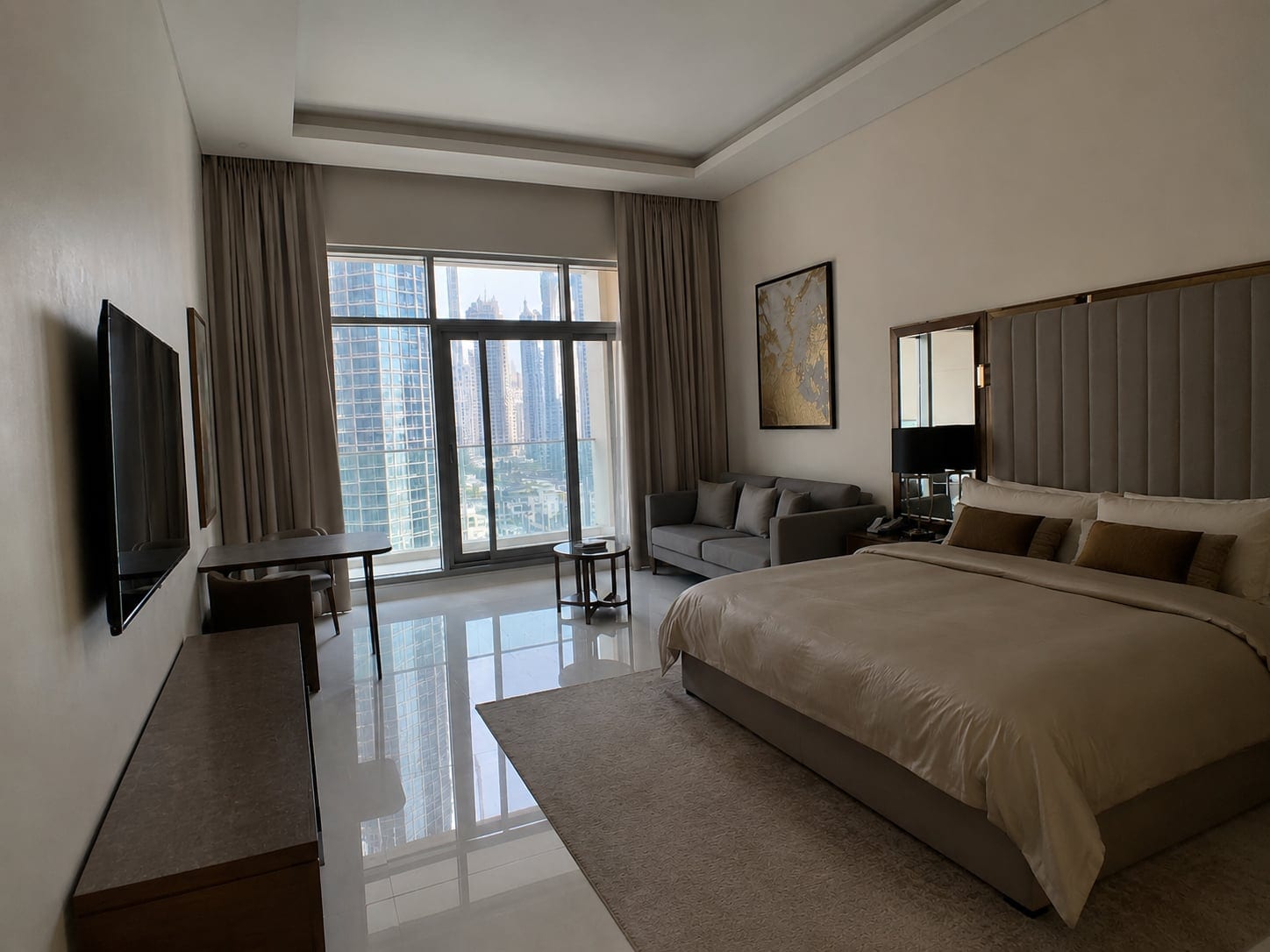
Selling your house yourself sounds like keeping a small fortune in commission. It also sounds like a part-time job you did not apply for. Both are true, and the second part is why most people quit.
How do you sell your own house? Price it with recent local comps, prep and declutter, list on the MLS through a flat-fee service, market it with bright photos, show it and screen buyers, then negotiate and close with a title company or attorney handling the paperwork. That is the whole FSBO process, and it is completely legal in every state.
This guide walks through all six steps, with the costs, the pros and cons, and a week-by-week plan. We will be honest about the trade-offs, including the fact that a poorly run FSBO can sell for less than it should. And we will spend real time on the one lever most guides skip: the photos, because they get the clicks.

What selling your own house (FSBO) actually means
FSBO stands for "for sale by owner." You sell the home yourself, without hiring a listing agent and without paying that agent's commission. You handle the pricing, marketing, showings, and negotiation, and a title company or attorney handles the legal transfer at the end. It is legal in all 50 states, and no license is required.
Here is the honest framing. Selling without a realtor saves you the listing commission, often 2.5% to 3% of the sale price. On a $400,000 home that is $10,000 to $12,000 in your pocket. In exchange, you take on the work and the learning curve. Whether that trade is worth it depends on your time, your market, and how comfortable you are with the steps below.

Step 1: Price your house with real comps
Get the price right and everything downstream gets easier. Get it wrong and you leave money on the table or sit unsold for months. It is the single most important decision you make as a for-sale-by-owner seller.
Forget what you "need" to get, and forget the Zestimate as gospel. Buyers pay what the market says, and the market speaks through comparable sales, or comps: homes near yours that recently sold and closed, not what they were listed for. To build your own CMA (comparative market analysis):
- Find 3 to 6 homes that sold in the last 3 to 6 months, within about half a mile, similar in size, beds, baths, age and condition.
- Use closed (sold) prices, not asking prices. A listing price is a wish; a sold price is a fact.
- Adjust for differences: a renovated kitchen, an extra bathroom, a bigger lot, or a busy road all move the number.
- Calculate the price per square foot of your comps and apply it to your home as a sanity check.
- Note how long each comp sat. If they all sold fast, the area is hot.
Where to find comps: public records and county assessor sites, Zillow's "recently sold" filter, and Redfin's sold data. For a second opinion, a licensed appraiser will value your home for a few hundred dollars.
Pro shortcut: price at or just under a round number buyers search by. Listing at $399,000 instead of $405,000 puts you in front of everyone who caps their search at $400,000.
Resist the urge to "test" a high price. Overpriced listings go stale and get relisted lower anyway, with worse momentum.

Step 2: Prep and stage the home (on a budget)
A buyer decides how they feel about your house in the first ten seconds, online and in person. Prep is how you control that, and most of it costs nothing but a weekend of work. Start with decluttering, which is physical work, not a software trick. The goal: make every room feel bigger, cleaner, and ready for a stranger to picture their own life inside it. A solo prep pass that needs no contractor:
- Declutter ruthlessly. Pack away a third of your stuff. Empty surfaces and half-empty closets read as space.
- Depersonalize. Take down family photos and fridge magnets so buyers picture themselves, not you.
- Deep clean everything: floors, windows, grout, appliances. A spotless home signals a cared-for home.
- Maximize light. Open every curtain, replace dead bulbs, switch to brighter daylight bulbs where rooms feel dim.
- Fix the cheap, visible stuff: leaky taps, scuffed paint, a sticking door. Skip renovations buyers will redo anyway.
- Boost curb appeal. Mow, trim, sweep the path, add a fresh doormat. The exterior is the first photo.
Be strategic about repairs. Not every flaw is worth fixing first, and our guide on getting your house ready to sell covers the full prep checklist room by room, including which upgrades buyers will not pay extra for.
Decluttering and light are free, and they make the biggest difference in how a home photographs and shows.
You do not need a professional stager for a standard home. A clean, decluttered, well-lit space does most of staging's job for free.

Step 3: Shoot listing photos that earn the click
Here is the part almost every FSBO guide rushes past, and it is the most important marketing decision you make. The thumbnail is the listing. Most buyers decide whether to click from one small photo, and if that first image is dark or crooked, the rest never get seen.
This matters more for FSBO than for anyone. With no agent's brand and no marketing budget, your photos are your entire storefront. A professional real estate photo shoot runs $150 to $300, and many sellers skip it to save money, then wonder why their listing gets views but no visits.
You do not need that shoot, or a $2,000 camera. A modern phone, decent light, and a clean finish beat an expensive camera used badly. The recipe:
- Shoot in daylight with every curtain open and every interior light on. Light is the difference between amateur and pro.
- Tidy first: counters clear, cords hidden, toilet lids down. The camera shows everything you stop noticing.
- Stand in a corner, not a doorway, at chest height. A corner shows two or three walls and makes the room feel larger.
- Keep the phone level so the walls stay straight. Leaning verticals scream amateur.
- Take one wide shot plus a few detail shots per room, in the order you will list them.
- Shoot the exterior on a bright day with the sun behind you, so the front is lit, not in shadow.
For the device-specific settings, our guide on how to take real estate photos with iphone walks through gridlines, exposure, and the wide lens, and the real estate photography tips breakdown covers light, composition, and editing in depth.
Once you have shot the set, the finishing touch is consistency. A listing where every room shares the same bright, neutral, color-corrected look feels professional; a mix of warm, cold, dark, and bright photos feels chaotic. That is the gap an AI enhancer closes, and we will come back to it at the end.

Step 4: List and market the home (MLS, Zillow, signs, social)
Now you put it in front of buyers. The single most important move is getting on the MLS, the database agents use, which feeds Zillow, Realtor.com, Redfin, and almost every site buyers search. You cannot list on the MLS yourself without a license, but a flat-fee MLS service does it for a one-time fee, typically $100 to $500. This is the highest-return dollar an FSBO seller spends.
Your marketing checklist:
- Flat-fee MLS listing. Non-negotiable. It syndicates to Zillow, Realtor.com and Redfin automatically.
- A strong written description. Lead with the best features, be specific, never bury the headline.
- A yard sign with a phone number. Old-school, but drive-by and neighbor referrals still convert.
- Social media. Post to your own feeds and local Facebook buy/sell and neighborhood groups. Free reach.
- FSBO sites like Zillow's FSBO listing and ForSaleByOwner for extra coverage.
- A dedicated phone number or email so no inquiry slips through.
The written description does real work without an agent to talk up the home. Our guide on how to write a real estate listing shows how to lead with the right features and avoid the clichés buyers skim past.
One honest note on commission. To attract agents with buyers, most FSBO sellers still offer a buyer's-agent commission. You save the listing side, not necessarily both. Offering the buyer's side is optional, but skipping it shrinks your pool of buyers.

Step 5: Show the home and screen buyers safely
Inquiries become showings, and showings become offers. As a solo seller you are also your own front desk, so a little structure keeps it safe.
Be flexible on timing. Buyers view homes evenings and weekends, and a missed showing is a missed offer. Offer a few set windows, or run an open house to batch buyers into one afternoon. Then screen before you open the door, because without an agent as a buffer, safety and qualification matter:
- Ask for a mortgage preapproval letter before serious showings. It means a lender has actually vetted the buyer, not just guessed.
- Verify financing for any offer. A cash buyer should show proof of funds.
- Never show the home alone if you can avoid it. Have someone else home, or tell a friend your schedule.
- Get a name and contact details before the visit, and meet during daylight when possible.
- Keep valuables, mail, and personal documents put away during showings.
When you show, let the home speak. Open the curtains, turn on the lights, and give buyers space to wander instead of hovering. Point out a genuine highlight or two, then step back.
Pro shortcut: the difference between a "just looking" buyer and a real one is the preapproval letter. Ask for it early and politely; it filters out tire-kickers and protects your time.
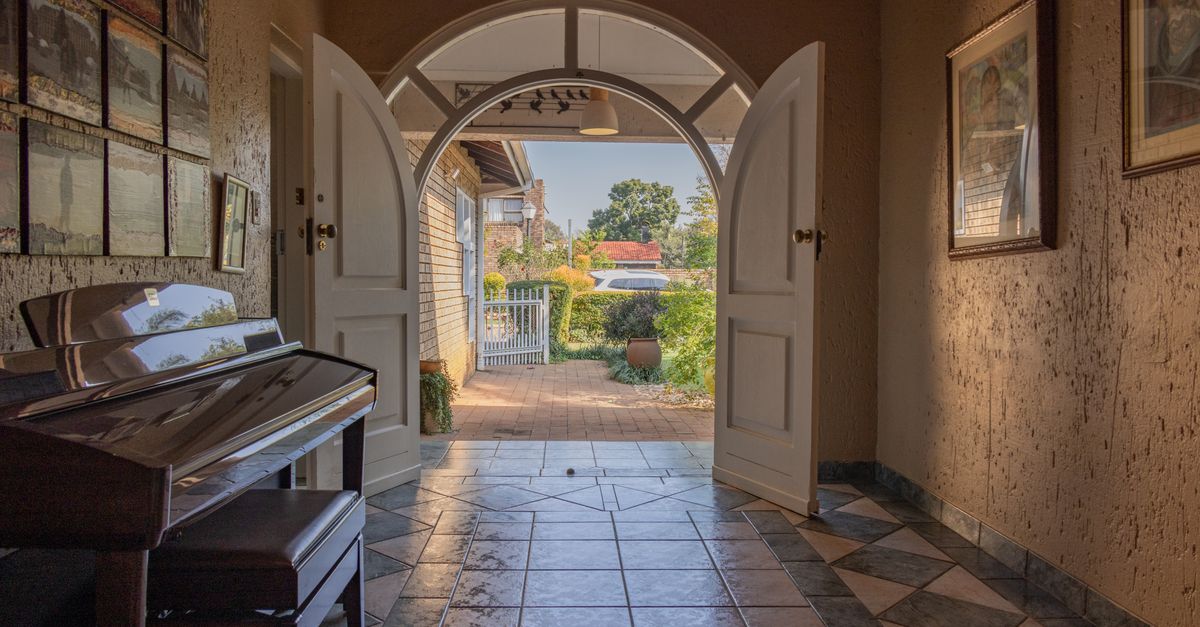
Step 6: Negotiate, handle paperwork, and close
An offer arrives, and now the process gets technical.
When you negotiate, look past the headline number. Read the financing type, the contingencies, the closing date, and any concessions the buyer wants. A lower offer with cash and no contingencies can beat a higher one with shaky financing. Counter on terms, not just price.
Once you accept, the paperwork begins. The documents vary by state, but a typical sale involves:
- Purchase agreement, the binding contract of sale.
- Seller's disclosure statement, required in most states, listing known defects.
- Title documents and a title search to confirm clear ownership.
- Property survey, if required in your area.
- Deed transferring ownership at closing.
- Closing (settlement) statement itemizing the money.
This is where most FSBO sellers bring in help, and you should. A title or escrow company manages the funds and the transfer. A real estate attorney reviews the contract and closing, and in some states one is legally required to close a sale. Budget $500 to $1,500 for an attorney, far less than a full agent commission, and worth it on the biggest transaction of your life.
At closing, both sides sign, the funds clear, the deed records, and you hand over the keys. Done.
For a realistic sense of the whole arc, our guide on how long does it take to sell a house breaks down the timeline from listing to closing.

A week-by-week plan for the solo seller
FSBO does not take longer than an agent sale by default, but it does demand that you keep the plan moving. A realistic four-week run-up in a normal market:
- Week 1: Price it. Pull comps, build your CMA, set the number.
- Week 2: Prep it. Declutter, deep clean, fix the cheap visible stuff, boost curb appeal.
- Week 3: Capture and write it. Shoot in good light, finish the set, write the description, line up a flat-fee MLS service.
- Week 4: Launch it. Go live on the MLS, Zillow and social, plant the yard sign, open the calendar for showings.
- Then: show, screen, negotiate, and close, with a title company or attorney lined up before the first offer.
Time on market after launch depends on your price and your area, from days in a hot market to a couple of months in a slow one. The fastest lever in your control is a sharp price and bright photos that earn clicks from day one.
Pros and cons of selling your house by owner
No sugarcoating. The honest balance sheet:
Pros:
- You save the listing-agent commission, thousands of dollars on a typical sale.
- Full control over pricing, marketing, timing and negotiation.
- Direct contact with buyers, no game of telephone through two agents.
- You set the schedule and the strategy.
Cons:
- It is real work and a learning curve: pricing, marketing, showings, paperwork, all on you.
- No agent network or built-in buyer pipeline.
- Pricing and negotiating without experience can cost you more than you saved.
- Less buffer on safety, scheduling, and emotional negotiation.
The honest counterweight: a FSBO that is priced wrong or marketed thinly can sell for less than it should, which erases the commission you saved. That risk is about execution, not FSBO itself. Price it right, market it well with strong photos, and negotiate calmly, and you keep both the savings and the price.

The costs of selling FSBO vs using an agent
Selling your own house is not free, but it is dramatically cheaper than the alternative. What you typically pay:
- Flat-fee MLS listing: roughly $100 to $500, one time.
- Buyer's-agent commission (optional but common): around 2.5% to 3% to attract agents with buyers.
- Real estate attorney or title/escrow services: roughly $500 to $1,500.
- Professional photos: $150 to $300, or near zero if you shoot your own and enhance them.
- Minor prep, signage and small marketing: a few hundred dollars.
What you save is the listing-agent commission covered earlier, the largest line on the agent invoice. Even after the buyer's-agent commission and the small costs above, the savings are real.
Skipping the listing commission can save thousands. Skipping a pro photo shoot only saves a couple hundred dollars, and good photos may be the thing that actually sells the house.
That is the point: cut the costs that do not move the needle, but do not cut the photos.

Make your listing photos pro-grade without a photographer
The biggest visual lever in an FSBO listing is also the cheapest to fix. Your phone shots are framed and tidy, but they probably came out a little dark, a little orange, with walls leaning in. That is normal: phone cameras average the light, and household bulbs run warm.
That is exactly what AI photo editing fixes. Upload your phone shots and every photo comes back brightened, white-balanced, with straight verticals and corrected color, plus a real sky cleaned up and grass greened outside. Every room ends up sharing the same clean look, which is what reads as "professional listing" to a scrolling buyer, in seconds instead of a scheduled shoot.
A quick honest note, because trust is the whole point. A tool like Sublim works on the real room: it brightens, balances the light including bright windows, applies a clean HDR balance, fixes the white balance, straightens verticals, corrects color, and evens a dull sky or lawn outside. What it will not do is tidy or stage for you: it keeps your furniture and objects exactly as they are. Get the framing and tidying right (Steps 2 and 3), and it handles the finish.
Price it right, prep it well, photograph it brightly, and you have done the job an agent charges thousands for, and kept the difference.