Most listing descriptions read like a fridge manual: three beds, two baths, attached garage. Accurate, forgettable, and quietly leaving money on the table.
Here is how to write a real estate listing that sells: lead with a punchy headline, open with one vivid sentence about the lifestyle, walk the buyer room by room, bullet the standout features, and end with a clear call to action. Keep it honest, around 150 to 250 words, with bright photos.
The rest of this guide turns that into a reusable formula, with example snippets, power words, and a fill-in-the-blank template you can copy. It is for the two people who usually do this themselves: agents between viewings and FSBO sellers going it solo.

Why a strong real estate listing description matters
The description is the close, and the photos are the open. A buyer scrolls a thumbnail, clicks, skims the photos, then reads the words to decide whether to book a viewing. If the copy is a spec sheet, the only thing left to compete on is price.
A good description does two jobs. It makes the buyer feel something (this could be home), and it answers the practical questions before they ask. Do that well and you get more saves, more inquiries, and more showings, the only path to an offer. Buyers shop on their phones long before they set foot inside, so your words and photos do the work a viewing used to do.
Same house, two listings. One says "3 bed, 2 bath, updated kitchen." The other says "Sunday mornings start at the island in a kitchen that finally has the counter space." The second gets the click.

Use a clear structure: the five-part listing formula
You do not need to be a copywriter, just a structure you fill in the same way every time.
- Headline: one short line leading with the single best thing about the home.
- Opening hook: one vivid sentence that sells the feeling, not the floor plan.
- Narrative walk-through: 2 to 4 short paragraphs moving through the home like a viewing.
- Feature highlights: a tight bulleted list of the specs and upgrades that add value.
- Call to action: a clear, low-friction next step (book a viewing, call, message).
Follow it in order and the description writes itself. There is a copy-paste template at the end.

Write a headline that earns the click
The headline is the thumbnail of your text, the first line buyers read on most portals. Lead with the one thing that makes this home worth a second look, not the address or the bed count (the filters already showed those). Pick the single strongest selling point and put it first: the light, the location, the renovation, the view. Keep it short and specific.
Do and don't, side by side:
- Don't: "Beautiful 3 Bedroom Home For Sale"
- Do: "Light-Flooded 3-Bed With a Garden That Backs Onto the Park"
- Don't: "Spacious Property in Great Location"
- Do: "Walk to the Station in 6 Minutes, Then Come Home to This Kitchen"
The pattern: a concrete benefit plus one specific detail. Vague adjectives ("beautiful," "spacious," "great") are filler; a number, a place, or a feature is the hook.

Open with a hook that sells the lifestyle
Your first sentence decides whether anyone reads the second. Do not open with "This property features." Open with a small, true scene the buyer can picture themselves in, then get practical.
An opening that works:
- "Morning light pours across the open-plan living room, the kind that makes coffee taste better and Mondays feel optional."
Buyers fall for the feeling, then justify it with the floor plan. Your opening line sells the feeling.
Keep it to one or two sentences, then walk them through.

Walk the buyer through, room by room
The body is a guided viewing in words. Move through the home the way someone would walk it: in the front door, through the living space, the kitchen, the bedrooms, then out to the garden. For each space, name it, then sell what makes it good. Specs alone are flat, so tie each feature to a benefit or a use.
Flat versus alive:
- Flat: "The kitchen has granite countertops and stainless steel appliances."
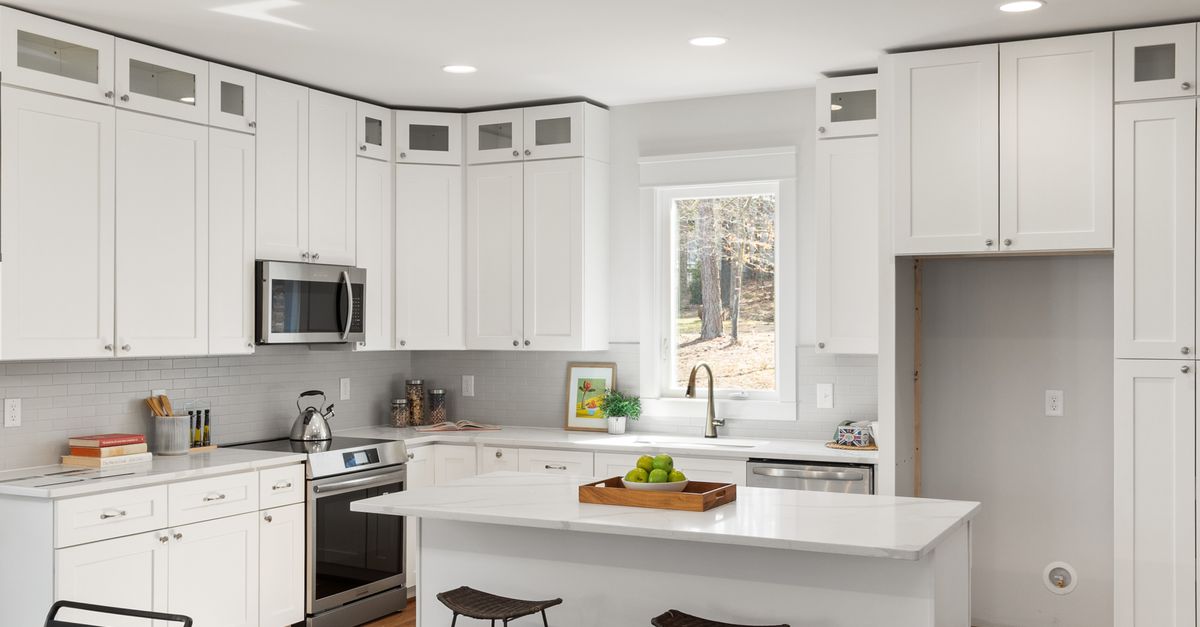
- Alive: "The kitchen was built for cooking: deep granite counters with room to spread out, and a gas range that handles a Sunday roast or a weeknight stir-fry."
Keep paragraphs short, two to four sentences each. A wall of text gets scrolled past on a phone. White space is a feature.
Highlight the features that add value (use bullets)
After the narrative, give skimmers a clean bulleted list of the facts and upgrades, what buyers filter and compare on. Bullet the specifics that add value, not the basics:
- Recent upgrades with the year (new roof 2024, rewired 2023, kitchen renovated 2022).
- Energy and running costs (heat pump, double glazing, low bills, solar panels).
- Square footage, lot size, and any standout room dimensions.
- Outdoor space and parking (south-facing garden, garage, off-street parking for two).
- Location wins with specifics (8-minute walk to the station, in catchment for a school).
Lead with what is better here than at the listing next door, with a number or a name where you can.

Use power words, and avoid the ones that sink a listing
Word choice does real work. Power words that pull (use them honestly, when true):
- Light and space: sun-drenched, light-filled, airy, open, generous
- Quality and care: turnkey, immaculate, renovated, move-in ready, meticulously maintained
- Lifestyle: entertainer's kitchen, walkable, peaceful, private, sought-after
Words to avoid, because buyers read them as red flags:
- 'Fixer-upper,' 'TLC,' 'cosmetic,' 'needs work,' 'as-is' (these signal problems and can lower offers).
- 'Cozy' and 'compact' (often read as 'small').
- 'Motivated seller' and 'must sell' (reads as desperate, invites lowballs).
- 'Nice,' 'lovely,' 'beautiful,' 'great' (empty adjectives that say nothing).
- Anything you cannot back up in person or in a photo.
One caveat that is not optional. In the US, the Fair Housing Act bans wording that describes the buyer rather than the property. Avoid language about race, religion, family status, disability, or national origin, including innocent-seeming terms like "perfect for a young family" or "ideal for couples." Describe the home, never who should live in it. The US Department of Housing and Urban Development explains the Fair Housing rules here.

Keep it accurate, honest, and the right length
Every word should survive the viewing. If you write "huge garden" and it is a courtyard, the buyer feels misled the moment they arrive, and a let-down buyer does not make an offer. Honest copy avoids wasted showings and protects your name.
On length, aim for roughly 150 to 250 words: long enough to tell the story, short enough that someone reads all of it on a phone. Short paragraphs, a little bold, and that bulleted feature list keep it scannable in ten seconds.
Pro shortcut: read your draft out loud. If a sentence sounds like a brochure, cut it. If it sounds like how you'd describe the house to a friend, keep it.

End with a clear call to action
Do not let the listing trail off after the last feature. Tell the buyer exactly what to do next, and make it easy. A good CTA is specific and low-friction:
- "Book a viewing this weekend, slots are filling fast."
- "Message me for the floor plan and the full photo set."
- "Call or text to arrange a private viewing."
One clear ask beats three vague ones. And go easy on exclamation points: one is fine, five reads as a used-car ad.

A copy-paste listing template (with a worked example)
If writing from scratch feels like too much, fill in the blanks. The formula above, paste-ready.
Headline: [Best single feature] + [one specific detail]
Opening: [One vivid sentence about the feeling of living here.]
Walk-through: Step inside to [main living space + what makes it good]. The kitchen [feature + benefit]. Upstairs, [bedrooms + a standout detail]. Outside, [garden/balcony/parking + use].
Features:
- [Upgrade + year]
- [Energy/running cost win]
- [Size or standout dimension]
- [Outdoor space / parking]
- [Location win with a number]
CTA: [Specific next step + light urgency.]
The same template, filled in:
Headline: Sun-Filled 3-Bed With a South-Facing Garden, 7 Minutes to the Station
Opening: Wake up to light across the bedroom, then take your coffee out to a garden that gets sun all day.
Walk-through: Step inside to an open-plan living room where the windows do the decorating. The kitchen was built for cooking, with deep counters and a gas range. Upstairs, three real bedrooms, the main one fits a king and a desk. Outside, a south-facing garden and parking for two.
Features:
- Kitchen renovated 2023
- New boiler and double glazing, low bills
- 1,150 sq ft over two floors
- South-facing garden, parking for two
- 7-minute walk to the station, in catchment for two primary schools
CTA: Viewings this Saturday, message me to grab a slot.
That is a complete, honest, scannable listing in under 200 words. Swap your details in and it earns the click. Selling without an agent? Our guide on how do you sell your own house walks the full FSBO process, and getting your house ready to sell covers the prep.

Pair the words with photos that prove them
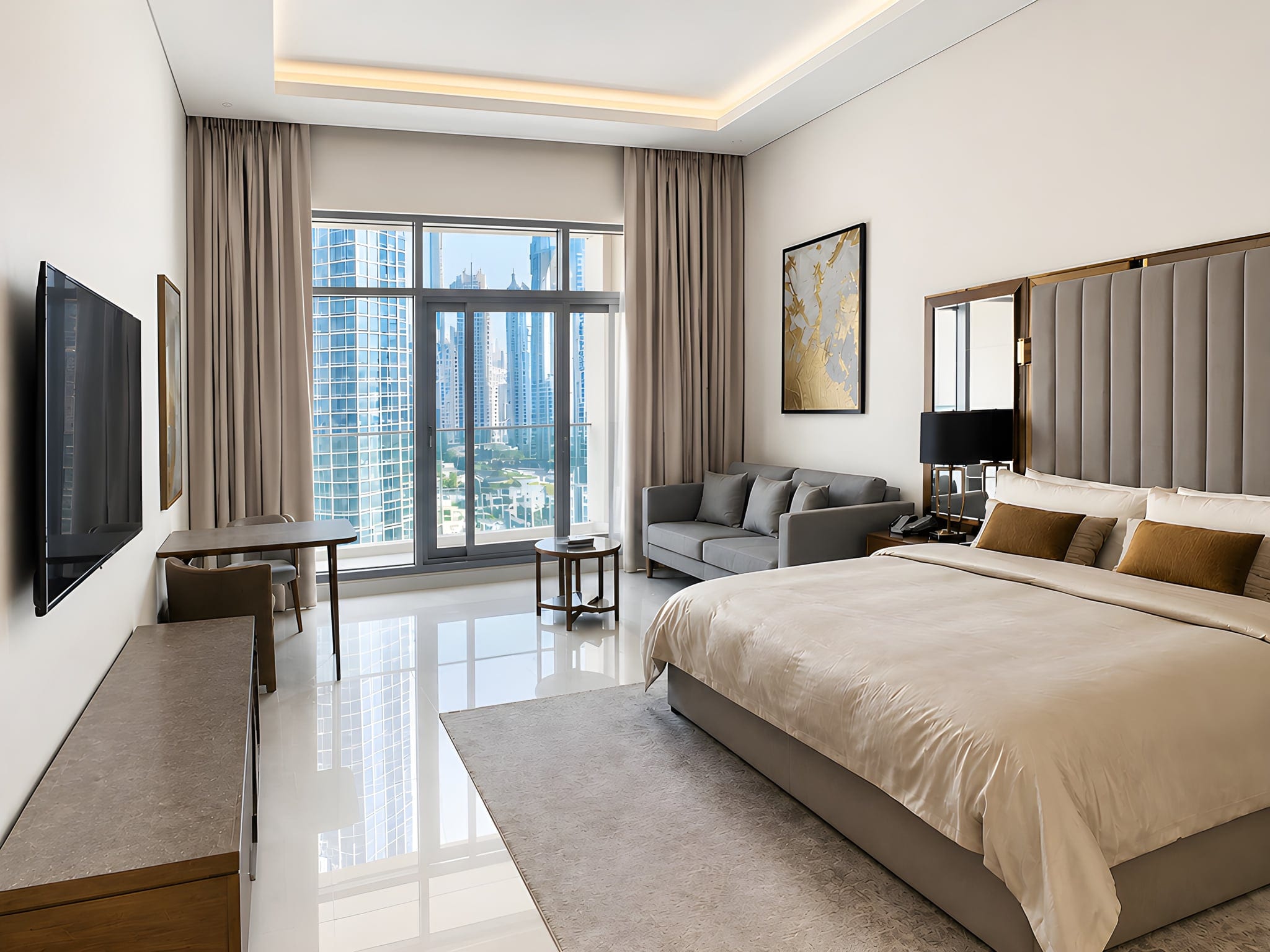
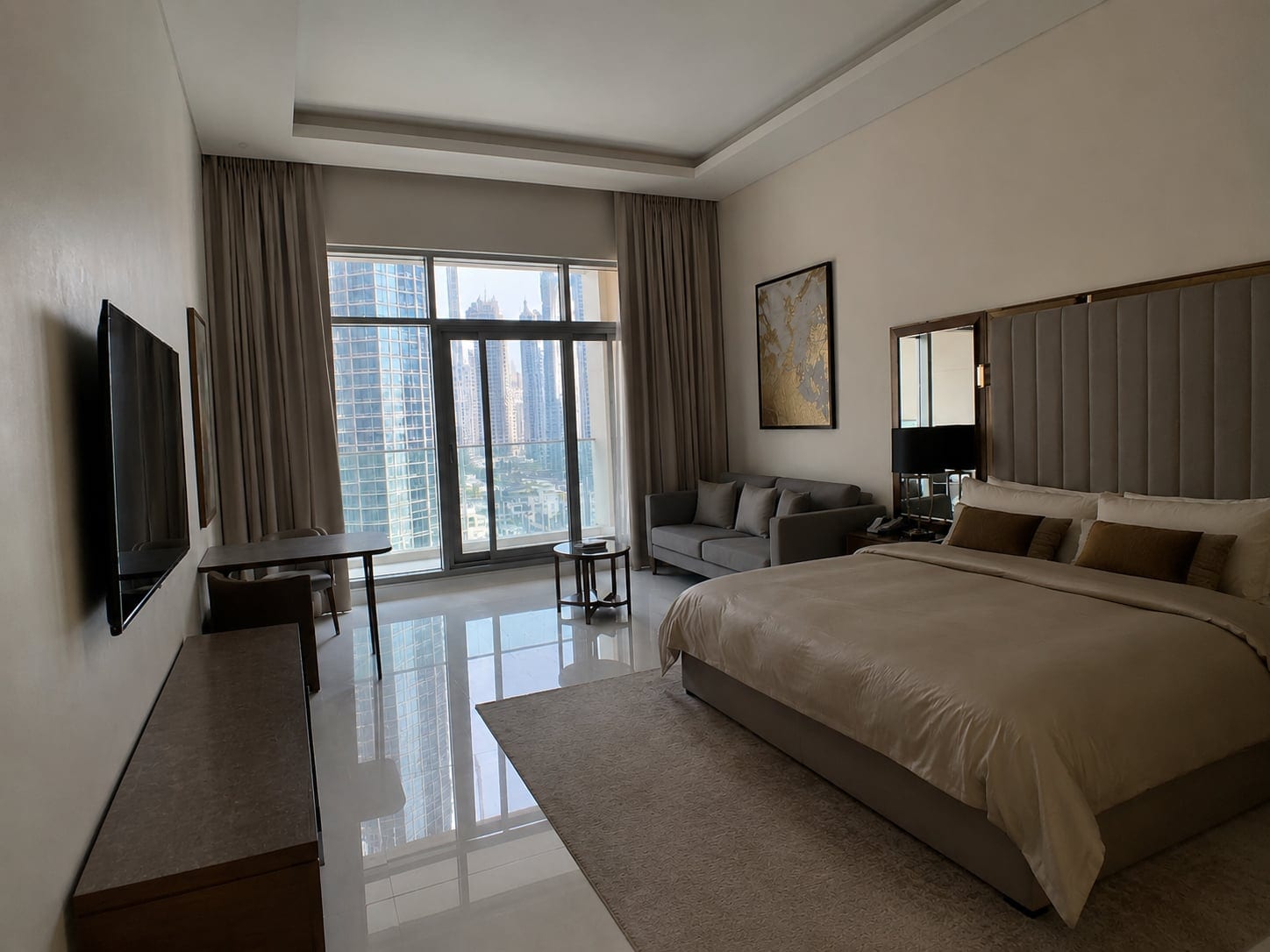
Here is the part most listing guides skip, and it quietly decides everything. Buyers see the thumbnail before they read a word, so if the cover shot is dim, orange, and crooked, your "sun-drenched, light-filled" copy reads like a lie before they reach the second line.
The fix is simple: make the words and the photos tell the same story. If you wrote "light-flooded," the photo has to look the part. A checklist for matching shots to your copy:
- 'Light-filled' → shoot in daylight with the curtains open, and brighten if the camera underexposed it.
- 'Modern kitchen' → a clean, bright, straight-walled hero shot.
- 'South-facing garden' → an exterior on a day with some blue in the sky.
- 'Spacious' → corner angles at chest height, walls kept dead straight.
- Every standout feature you named → one clear, well-lit photo of it.
Bright, balanced, straight photos make the words believable, and believable words make buyers act. For the shooting side, our real estate photography tips cover light, composition, and prep, and for phone shooters, how to take real estate photos with iphone has the device-specific settings.
The honest reality: phone shots often come back darker, more orange, and a little crooked than the room looked. All fixable in one step.
Common listing mistakes to avoid
A quick list of what quietly tanks a listing, so you can scan your draft before you publish:
- Only the basics (beds, baths, square footage), no story or selling point.
- Vague adjectives ('beautiful,' 'lovely,' 'nice') instead of specific, provable details.
- A wall of text with no paragraphs or bullets, unreadable on a phone.
- Exclamation points and ALL CAPS, which read as desperate.
- Exaggerating ('huge,' 'stunning views') in ways the viewing will not back up.
- Forgetting the call to action, or burying the contact details.
- Fair Housing slips: describing the ideal buyer instead of the home.
- Great copy paired with dark, crooked, or orange photos that contradict it.
Fix those eight and your listing already beats most of the competition on the street.